

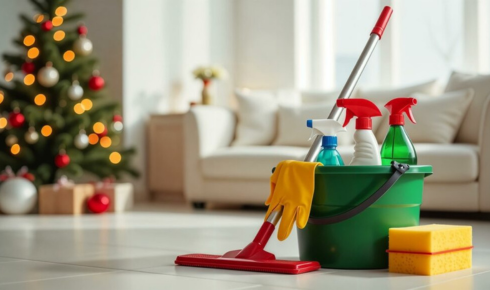
If someone in the house has dust allergies, asthma or sensitive skin, cleaning needs a slightly different approach. It’s less about strong chemicals and more about reducing triggers.
Dusting with dry cloths just throws particles into the air. Use a slightly damp microfiber cloth so dust actually sticks to it. Focus on high surfaces, fans, window sills, and headboards regularly.
Vacuuming (if you have a good vacuum) is often better than sweeping for allergy-prone people, especially on rugs, sofas and mattresses. If sweeping is the only option, follow it with mopping so particles settle.
Choose cleaners with mild fragrances or fragrance-free versions. Strong scents can be just as irritating as dust. Test any new product in a small area first.
Wash bedsheets and pillow covers in warm water more frequently—once a week if possible. These collect skin flakes, dust and hair, which become allergens over time.
And don’t forget ventilation. Letting fresh air in, when outdoor pollution levels allow, helps push stale indoor air out. An allergy-friendly home is clean, but not overloaded with heavy-smelling chemicals.