

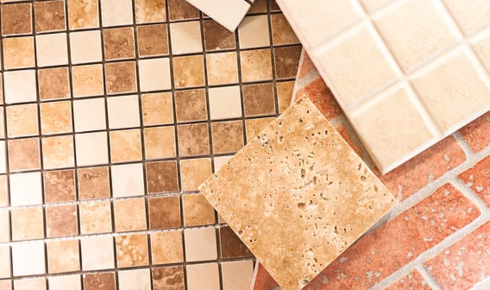
Using more than one flooring material can be very effective: tiles in kitchens, wood in bedrooms, stone in living rooms, for example. The challenge is doing it without making your home feel like a patchwork.
First, keep a common tone family. Even if materials differ, choose colours that harmonise—warm tones together, cool tones together. A sudden shift from very warm brown to icy grey can feel jarring.
Pay attention to transitions. At doorways or where floors meet, use neat trims, inlays or threshold pieces so the change looks intentional, not accidental.
Limit the number of different materials. Two or three is usually plenty. When every room has a completely different look, the house loses visual flow.
Think about function. Use tougher, easy-to-clean flooring in heavy use and wet areas, and warmer, softer-feeling materials where you want comfort. When the logic is clear, the mix feels natural.
Done well, mixed flooring adds character and practicality instead of visual noise.