

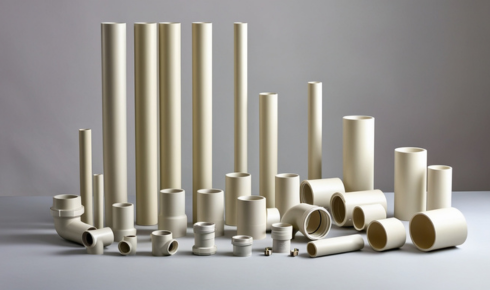
When it comes to your electrical installations, durability matters just as much as performance. If not, you’ll probably spend more time fixing things rather than using them. The type of conduit you choose can have a major impact on the lifespan and efficiency of your electrical system, especially with corrosion being one of the biggest threats to electrical infrastructure in Australia.
While traditional metal conduits are strong and durable, they are especially vulnerable to rust and corrosion over time. The need for an alternative has seen many Australian projects switching to or considering PVC conduits. In this post, we will explore the strengths that allow a PVC conduit to thrive where other materials struggle and why choosing the right materials matters a great deal more than you think.
Why the Conduit Material Matters in Electrical Installations
Electric conduits play an important role in the electrical system by protecting wiring and other sensitive components from moisture, physical impact, UV exposure, and exposure to the elements. When the electrical wiring is shielded, it helps ensure safety compliance and the structural and functional longevity of the system.
The problem with corrosion in electrical systems
Corrosion is one of the most common causes of faults and degradation in an electrical system. Electric systems with metal components and conduits are particularly susceptible to corrosion damage. Corrosion usually results from exposure to moisture and humidity, corrosive gases, and temperature changes impacting condensation.
When corrosion takes hold in a system, it can impede proper function, which can lead to greater resistance, which in turn can cause overheating. At the same time, the physical weakening of components can lead to loose connections and faulty wires, increasing the risk of electrocutions. When the corrosion spreads throughout the system, it can also lead to short circuits.
Overall, when corrosion takes hold of a system, it will significantly reduce its efficiency and lifespan. It is considered the “silent killer” of electronics.
Why PVC Conduits Are a Long-Lasting Solution
PVC conduits are considered the superior, long-lasting solution against corrosion. They are able to offer greater corrosion protection because:
- Polyvinyl Chloride (PVC) does not have any galvanising properties, making them immune to rust.
- PVC is largely inert, meaning that it does not react with most acids and alkaline compounds.
- Due to its non-reactive properties, PVC conduits require zero additional protection treatments.
- The service life of PVC conduits can last between 50 and 100 years in some cases, reducing total lifetime maintenance costs.
PVC vs. Metal Conduits: Which Should You Choose?
Let’s take a look at how PVC and metal conduit stack up against each other in several key considerations:
- Corrosion resistance – PVC is highly corrosion resistant and does not require any protection treatment. On the other hand, metal conduits are highly susceptible to corrosion and will require additional protection treatments.
- Life span – Under ideal conditions, metal conduits can last for between 30 and 50 years. At the same time, PVC conduits can last between 50 and 100 years.
- Installation difficulty – PVC conduits are lightweight, easy to transport and install onsite. On the other hand, metal conduits are heavier and need specialised equipment to install correctly.
- Maintenance needs and cost over time – PVC conduits will require little to no maintenance, while metal conduits will require consistent maintenance. That means that PVC conduits are the cheapest option in terms of cost over time.
Based on these considerations, it is clear that PVC conduits are lightweight, highly corrosion-resistant and cheaper to purchase and install. However, their physical strength is lower, and they are not ideal for high-temperature environments. As such, PVC conduits are best for underground burials, concrete, and damp environments.
On the other hand, metal conduits have high structural strength, as well as greater impact and fire resistance. However, they involve high labour costs and require more extra protection treatments. These features make them ideal for commercial and industrial builds, exposed locations, and areas with high traffic or risk of physical damage to the system.
Conclusion
Choosing the material for your conduits can mean a great deal for the functioning and longevity of your electrical system. While metal conduits are incredibly strong and heat resistant, they are susceptible to corrosion and will require additional protective treatment. On the other hand, PVC conduits are lightweight, easy to install, and highly corrosion-resistant. The choice between the two will ultimately depend on the requirements of your construction project.
Metal or PVC: if you are looking for high-quality civil construction material for your project, Convic has got you covered. Explore Convic’s amazing range of trusted construction materials and find what you need to make your project a success.