Your air conditioner can only perform as well as the thermostat tells it what to do. When that control starts to fail, the result is often uneven temperatures, short cycling, higher energy use, and a home that never quite feels comfortable. If you have been noticing those issues, it may be time to take a closer look at your AC thermostat Staten Island setup and how it is affecting the rest of your cooling system.
The tricky part is that thermostat problems are easy to overlook. Many homeowners assume the AC itself is struggling when the real issue is often a small device on the wall giving inaccurate readings or sending weak signals. Knowing the warning signs can help you catch the problem early and avoid unnecessary repairs.
Why Your Thermostat Matters More Than You Think
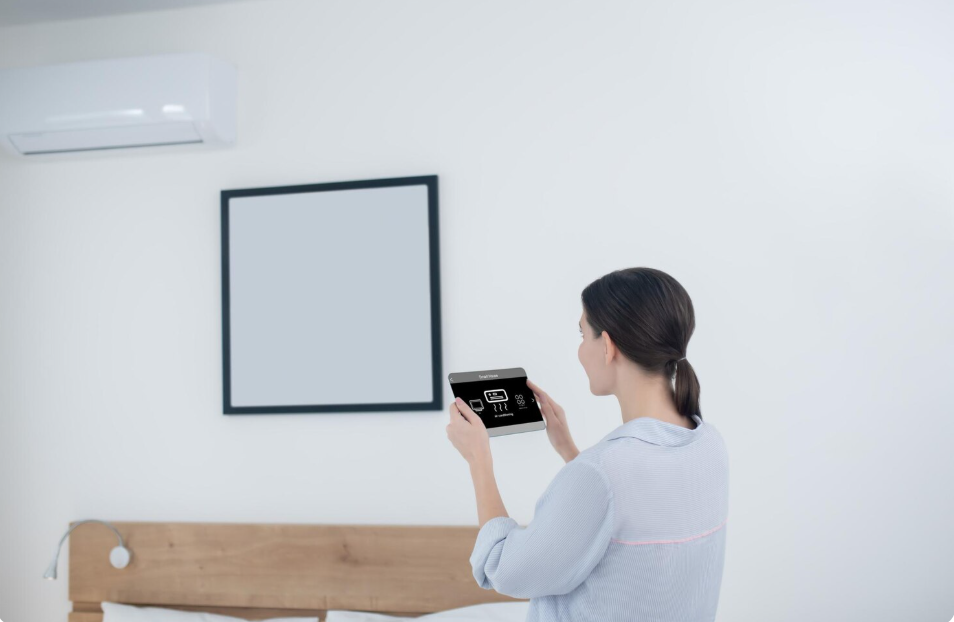
A thermostat is not just a temperature dial. It is the control center for your cooling system, deciding when the AC turns on, how long it runs, and when it shuts off. If it misreads the room temperature or loses connection with the system, your home may become too warm, too cold, or inconsistent from one room to another.
Even a minor thermostat issue can create bigger AC performance problems over time. The system may run longer than needed, shut off too soon, or cycle on and off repeatedly. That puts extra strain on the equipment and can make cooling less efficient.
Signs Your Thermostat May Be Hurting AC Performance
One of the clearest warning signs is uneven comfort. If one room feels cool while another stays warm, the thermostat may not be sensing the space correctly. In some homes, the issue is placement, such as a thermostat installed near a window, vent, or heat-producing appliance.
Another common sign is short cycling. This happens when the AC turns on and off too frequently without completing a normal cooling cycle. Short cycling can wear down components faster and may point to faulty thermostat wiring, poor calibration, or incorrect settings.
Watch for these additional symptoms:
● The temperature on the thermostat does not match how the room actually feels.
● The AC does not respond when you adjust the setting.
● The system runs constantly but still does not cool properly.
● The display is blank, dim, or inconsistent.
● Your energy bills rise without a clear reason.
If you notice more than one of these issues, the thermostat is worth checking before assuming the AC unit itself is failing.
Common Reasons Thermostats Cause Cooling Problems
Sometimes the issue is simple. Dead batteries, loose wiring, or dust inside the unit can interfere with performance. Older thermostats may also lose accuracy over time, especially if they have not been calibrated in years.
Placement matters too. A thermostat installed in direct sunlight, near a kitchen, or by a supply vent can read the temperature incorrectly. That leads the system to shut off too early or keep running longer than it should.
Another common problem is outdated technology. Older manual or basic digital thermostats may not communicate as well with modern HVAC systems. In some cases, the thermostat and AC are technically working, but they are not working well together.
What Homeowners Can Check Before Calling for Help
Before assuming the worst, there are a few practical checks you can do at home. Start with the thermostat settings. Make sure it is set to cool mode and that the target temperature is lower than the current room temperature.
Then look at the power source. If the screen is blank or flickering, replace the batteries if your model uses them. You should also check whether the circuit breaker has tripped or whether the thermostat has been accidentally switched off.
It is also helpful to compare the thermostat reading with a separate room thermometer. If the numbers are far apart, the thermostat may need recalibration or replacement. Small mismatches are normal, but large gaps usually signal a problem.
When the Problem Is More Than the Thermostat
Not every cooling issue comes from the thermostat itself. A dirty air filter, clogged condenser coil, low refrigerant, or failing fan can also affect AC performance. That is why it is important to look at the whole system if the thermostat checks out.
If the thermostat seems fine but the AC still struggles, the problem may lie in the equipment or airflow. In that case, a professional inspection can identify whether the issue is mechanical, electrical, or related to system sizing.
The thermostat and the AC work together as a pair. When one part is off, the other often gets blamed first. A careful diagnosis saves time and helps prevent unnecessary repairs.
When It Makes Sense to Replace the Thermostat
If your thermostat is old, inaccurate, or no longer compatible with your cooling system, replacement may be the best option. This is especially true if you are constantly adjusting the temperature, dealing with uneven cooling, or noticing frequent cycling.
A newer thermostat can offer more stable temperature control and better communication with the AC. Some models also make it easier to manage settings, but the real benefit is consistency. A reliable thermostat helps your system run the way it should, which can improve comfort and reduce wear.
Common Mistakes to Avoid
Homeowners often overlook thermostat issues because the symptoms seem minor at first. Waiting too long can allow small problems to affect the rest of the system. Another mistake is installing the thermostat in the wrong location and assuming the AC is at fault.
It is also common to keep resetting the temperature over and over instead of checking the actual cause. That may mask the problem temporarily, but it does not fix inaccurate readings or faulty wiring.
A few mistakes to avoid:
● Installing the thermostat near heat sources or direct sunlight
● Ignoring blank or unstable displays
● Assuming the AC is the problem without checking the controls
● Using outdated settings that do not match your cooling needs
● Delaying service when the system starts short cycling
Conclusion
If your home is not cooling properly, the thermostat could be the reason. Signs like uneven temperatures, short cycling, inaccurate readings, and unresponsive controls often point to a problem with the device that manages your AC, not just the AC itself. Checking the thermostat early can help you avoid wasted energy, discomfort, and larger repair costs.
The best approach is simple: confirm the settings, look for obvious issues, and pay attention to patterns in how your system runs. A small thermostat problem can have a big impact on AC performance, but it is usually easier to solve when caught early.