Water is one of those things we rarely think about until something feels off. Maybe your morning coffee suddenly tastes strange, your shower leaves your skin feeling dry, or those stubborn white spots keep showing up on your dishes no matter how carefully you wash them. Little frustrations like these often point to a bigger issue—your home’s water quality.
The truth is, water isn’t exactly the same everywhere. Two homes on the same street can have noticeably different water depending on plumbing, municipal infrastructure, or whether they’re using a private well. That’s why more homeowners are paying closer attention to best warranties in the industry instead of assuming that clear water automatically means clean water.
Every Home Has Different Water Challenges
One mistake people often make is believing that every water problem has the same solution. It doesn’t.
Hard water, excess chlorine, sediment, iron, sulfur odors, or naturally occurring minerals all require different treatment approaches. Installing the wrong equipment may solve one issue while completely ignoring another.
That’s why many professionals recommend testing your water first. A proper analysis helps identify what’s actually present before any treatment equipment is selected. It saves money, prevents unnecessary purchases, and leads to much better long-term results.
Oddly enough, people spend hours researching televisions or kitchen appliances, yet they’ll buy a filtration unit after reading a couple of online reviews. Water deserves a little more attention than that.
Hard Water Can Affect More Than You Think
Hard water isn’t considered dangerous to drink, but it certainly makes everyday life more difficult.
Mineral buildup inside pipes gradually reduces water flow. Appliances such as washing machines, dishwashers, and water heaters work harder than necessary. Soap refuses to lather properly, clothing feels stiff after washing, and bathroom fixtures constantly develop stubborn scale deposits.
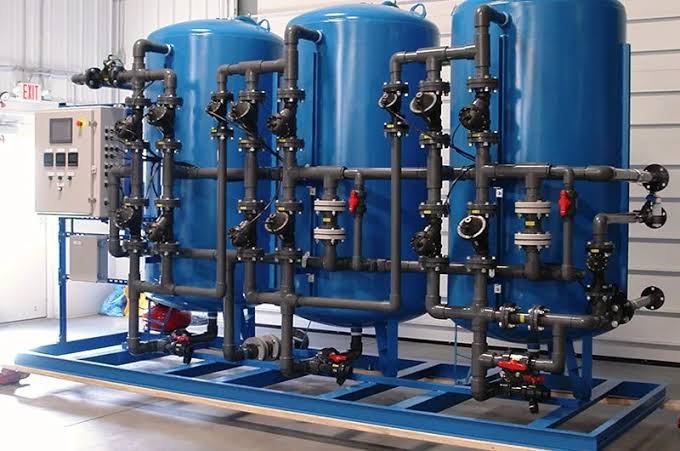
This is exactly where water treatment systems become incredibly valuable.
Rather than masking symptoms, they remove the calcium and magnesium responsible for hardness. The improvement isn’t always dramatic overnight, but after a few weeks most homeowners begin noticing softer laundry, cleaner glassware, smoother skin, and reduced cleaning time around sinks and showers.
It’s one of those home improvements that quietly pays off without demanding attention.
Clean-Tasting Water Changes Daily Habits
People often underestimate how much water quality affects their routine.
When drinking water tastes fresh, families naturally consume more of it. Coffee develops a cleaner flavor. Tea tastes brighter. Even soups and pasta benefit from better water.
Many homeowners discover they stop buying bottled water almost entirely once they trust what’s coming from their kitchen tap. That’s not only easier on the wallet but also reduces plastic waste over time.
Sometimes the smallest lifestyle improvements end up making the biggest difference.
Modern Systems Are Smarter Than Ever
Water treatment technology has improved significantly over the past decade.
Today’s equipment is designed to be more efficient, easier to maintain, and capable of treating multiple water concerns without requiring complicated operation. Many systems automatically regenerate, monitor water usage, or remind homeowners when maintenance is due.
For busy families, that’s a welcome improvement.
Instead of constantly adjusting settings or worrying about performance, most modern equipment quietly does its job in the background. Honestly, that’s exactly how home utilities should work.
Better Water Can Help Protect Your Home
People usually think about water quality from a health perspective, but protecting the home itself is equally important.
Mineral deposits slowly damage plumbing fixtures. Scale buildup reduces the efficiency of water heaters. Iron stains become increasingly difficult to remove from sinks, toilets, and bathtubs.
Over time, these small problems add up to expensive repairs and premature appliance replacement.
Treating water before it enters the home’s plumbing system helps reduce long-term wear, allowing expensive equipment to operate more efficiently for years instead of months.
It’s preventative maintenance in one of its simplest forms.
Choosing Quality Matters More Than Choosing Cheap
Not all water treatment equipment is built to the same standard.
A lower purchase price may seem attractive initially, but inexpensive systems sometimes require frequent servicing, replacement parts, or complete upgrades much sooner than expected.
Reliable manufacturers usually invest more in engineering, testing, and customer support. That’s important because water treatment isn’t something most homeowners want to replace every couple of years.
Many trusted companies also back their products with the water softeners , giving homeowners greater confidence that their investment is protected for the long haul.
That peace of mind has real value.
Professional Installation Makes a Difference
Even the highest-quality equipment can underperform if it’s installed incorrectly.
Improper sizing, poor plumbing connections, or selecting equipment that doesn’t match the home’s water conditions often leads to disappointing results.
Experienced installers understand water pressure requirements, flow rates, plumbing layouts, and local water characteristics. They can also explain maintenance schedules in simple language rather than leaving homeowners to decipher instruction manuals.
Good installation isn’t simply part of the purchase—it’s part of the overall performance.
Maintenance Doesn’t Have to Be Complicated
Some people avoid installing treatment equipment because they assume maintenance will become another household chore.
Fortunately, that’s rarely the case.
Most systems only require occasional filter replacements, routine inspections, or adding salt when appropriate. Following the manufacturer’s maintenance recommendations keeps everything operating efficiently while extending the equipment’s lifespan.
Skipping maintenance, on the other hand, often reduces performance long before homeowners notice obvious warning signs.
Like changing the oil in a vehicle, a little attention today usually prevents much bigger problems tomorrow.
A Long-Term Investment That Keeps Paying Back
Water affects nearly every part of daily life, even though it’s easy to overlook.
From cooking meals and washing clothes to protecting plumbing and enjoying a simple glass of water, better water quality quietly improves countless everyday experiences. It’s not always about luxury. More often, it’s about comfort, efficiency, and avoiding unnecessary problems down the road.
Choosing the right treatment solution begins with understanding your home’s specific needs rather than following trends or buying the first system you see online. Once that foundation is in place, the benefits become surprisingly noticeable.
Good water isn’t something most people celebrate every day. Yet when it’s consistently clean, balanced, and dependable, it becomes one of those invisible comforts that simply makes home feel better. And honestly, that’s exactly what every homeowner hopes for when investing in a healthier, more reliable living environment.