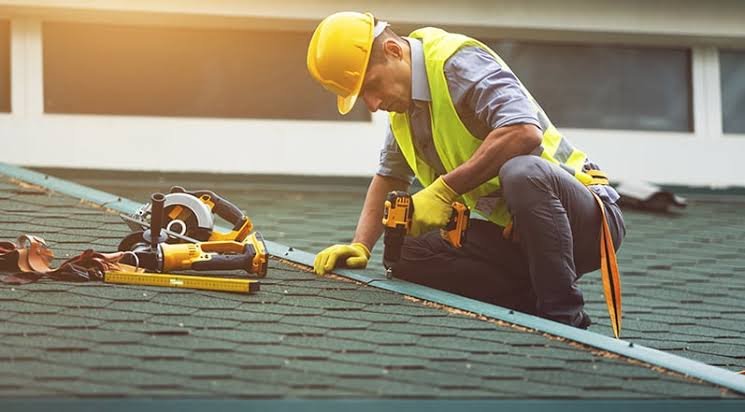
A roof rarely gets much attention until something goes wrong. It’s one of those parts of a home that quietly does its job through blazing summers, heavy rain, cold mornings, and everything in between. Then one day, a water stain appears on the ceiling, a few shingles go missing after a storm, or a drip starts keeping you awake at night. Suddenly, the roof becomes the most important thing in the house.
The truth is, roofs usually don’t fail overnight. Most problems develop slowly, almost unnoticed, giving homeowners plenty of warning signs—if they know what to look for. Spending a little time caring for your roof isn’t just about protecting shingles or tiles. It’s about protecting everything underneath them: your family, your belongings, and your investment.
Your Roof Works Harder Than You Think
It’s easy to forget that your roof is constantly exposed to harsh weather. Sunlight breaks down roofing materials over time. Wind lifts edges and loosens fasteners. Rain finds tiny gaps. Even falling leaves can trap moisture where it doesn’t belong.
Unlike appliances that show obvious signs when they’re failing, roofs tend to hide their problems. Water can seep into insulation, wooden supports, or drywall long before you notice visible damage inside your home. By then, what started as a minor issue may have turned into an expensive project.
That’s why paying attention before visible damage appears makes such a difference.
Small Problems Rarely Stay Small
Imagine noticing a loose shingle after a windy afternoon. It doesn’t seem urgent, so you decide to deal with it later. Weeks pass, then months. Rainwater slowly finds its way underneath the exposed area, soaking the wood beneath.
Eventually, what could have been a quick roof replacement becomes a much larger job involving structural repairs, insulation replacement, and even mold removal.
This happens more often than many homeowners realize. Tiny cracks, damaged flashing around chimneys, clogged gutters, or worn sealants may seem harmless individually, but together they create opportunities for water to enter places it shouldn’t.
Fixing small issues early almost always costs less than waiting for them to become emergencies.
Regular Inspections Make a Huge Difference
You don’t need to climb onto your roof every weekend with a ladder and flashlight. In fact, unless you’re experienced, it’s safer to leave detailed inspections to professionals.
Still, there are simple things every homeowner can do.
Walk around your home every few months. Look for missing shingles, sagging areas, damaged gutters, or pieces of roofing material on the ground. After major storms, take another look. Even binoculars from the yard can reveal obvious damage.
Inside your home, check the attic occasionally. Moisture stains, unusual odors, or sunlight coming through small openings can all indicate developing roof issues.
Professional inspections every year or two often catch problems long before they become visible from the ground.
Why Preventive Care Always Pays Off
Many people think maintenance is an unnecessary expense because nothing appears to be wrong. Ironically, that’s exactly when maintenance is most valuable.
Routine roof repair may include clearing debris, cleaning gutters, replacing damaged sealants, checking flashing, removing moss, and ensuring proper drainage. None of these tasks are especially dramatic, yet they can significantly extend the life of a roofing system.
Think of it like changing the oil in your car. Skipping it doesn’t cause immediate failure, but over time, the consequences become expensive.
Homes that receive consistent maintenance often experience fewer leaks, better energy efficiency, and a longer overall roof lifespan.
Weather Plays a Bigger Role Than Most People Realize
Different climates create different roofing challenges.
In warmer regions, constant UV exposure gradually dries out roofing materials, making them brittle. Areas with heavy snowfall experience repeated freeze-thaw cycles that expand tiny cracks. Coastal homes battle salt air and strong winds, while regions with frequent storms often deal with hail damage.
Trees can also become unexpected culprits. Overhanging branches scrape roofing materials during windy days, while falling limbs can cause sudden damage during storms.
Understanding your local weather patterns helps determine how often your roof should be inspected and maintained.
When Repairs Aren’t Enough
Every roof has a lifespan. Asphalt shingles typically last around 20 to 30 years, while metal, tile, and slate roofs may last considerably longer with proper care.
Eventually, however, repairs become less practical. If leaks appear in multiple locations, shingles are curling across large sections, or structural damage is widespread, investing in a roof replacement often makes better financial sense than repeatedly fixing isolated problems.
Although replacing a roof represents a significant investment, it can also improve energy efficiency, increase property value, enhance curb appeal, and provide peace of mind for decades.
Homeowners sometimes hesitate because of the upfront cost, but continually repairing an aging roof often becomes more expensive over time.
Choosing the Right Roofing Professional
Finding the right contractor matters just as much as choosing quality materials.
Look for companies with strong local reputations, proper licensing where required, insurance coverage, and transparent written estimates. Reading customer reviews can reveal a great deal about reliability, communication, and workmanship.
Don’t automatically choose the lowest quote. Extremely cheap pricing sometimes reflects shortcuts in materials or labor that may create bigger problems later.
Ask questions. A trustworthy contractor should be happy to explain the condition of your roof, recommend practical solutions, and outline expected timelines without relying on pressure tactics.
Simple Habits That Extend Roof Life
A few small habits can make a noticeable difference over the years.
Keep gutters clear so rainwater flows freely away from the house. Trim tree branches that hang over the roof. Remove piles of leaves after autumn. Check attic ventilation to reduce excess heat and moisture buildup. After severe storms, inspect your property for visible damage instead of assuming everything is fine.
These aren’t difficult jobs, but together they reduce unnecessary stress on your roofing system and help prevent premature aging.
A Roof Is More Than Just Shelter
Your roof quietly protects everything that matters inside your home every single day. It keeps your family dry during storms, helps regulate indoor temperatures, and shields your biggest investment from the elements.
Waiting until there’s water dripping from the ceiling is rarely the best strategy. A little attention today often prevents major headaches tomorrow. Whether it’s scheduling an inspection, handling a small repair, or planning for the future, proactive decisions almost always lead to better outcomes.
In the end, caring for your roof isn’t simply about maintaining a structure. It’s about preserving comfort, avoiding unnecessary expenses, and ensuring your home remains a safe place for years to come.