Improving the water in your home can feel like a bigger project than it really is. You might notice stubborn mineral stains around the faucets, an unpleasant taste when filling a glass, or a water heater that seems to collect scale faster than expected. Then you start researching solutions and find yourself comparing filters, softeners, testing services, and installation options. Before long, a simple concern has turned into a long list of decisions.
The trick is to slow things down and focus on what your household actually needs. Good water treatment starts with understanding the problem, finding a practical solution, and knowing what to expect from the process. With the right guidance, homeowners can make sensible improvements without paying for equipment or features that offer little benefit.
Start by Understanding Your Water
Water quality varies from one property to another. Some homes have hard water with elevated calcium and magnesium levels, while others deal with sediment, chlorine taste, iron staining, or specific contaminants. A solution that works well for one household may not be suitable for another.
Begin by noting what you’ve observed. Do white deposits keep appearing on shower doors? Does the water have a noticeable smell? Are stains showing up in sinks, toilets, or laundry? These details can help narrow down the possible causes, although appearance and taste alone cannot establish whether water is safe to drink.
Testing is the more dependable next step. Depending on your water source, an appropriate test may check hardness, pH, iron, dissolved solids, bacteria, or other substances relevant to local conditions. Private wells often require more frequent attention because their quality can change with rainfall, nearby land use, and other environmental factors.
Once the results are available, you can compare treatment options with a clearer idea of what needs to be addressed. This prevents the common mistake of buying a system simply because it is popular or heavily advertised.
Why an Initial Assessment Can Save Time
Many homeowners are unsure where to begin, particularly when the symptoms could have several explanations. A professional assessment can help connect those symptoms with the right questions and identify which options deserve further consideration.
A virtual assessment can be a convenient first step when an in-person visit isn’t immediately necessary. During a remote conversation, you may be able to describe the water concerns, share photographs of visible deposits or staining, discuss your water source, and review any test results you already have. This information can help establish whether further testing, an on-site inspection, or a particular type of treatment deserves consideration.
There are limits, of course. A video call cannot measure water hardness, identify every contaminant, or replace laboratory analysis when a reliable test is needed. It is best viewed as an opportunity to discuss the situation and understand the next steps, not as proof that a water supply is safe.
Before scheduling an assessment, ask what information to prepare. Your recent water test, details about your current filtration equipment, and a short description of the problems you’ve noticed can make the conversation more useful. You’ll also have a chance to ask questions about installation, maintenance, and the likely costs involved.
Choose a System Based on Your Household’s Needs
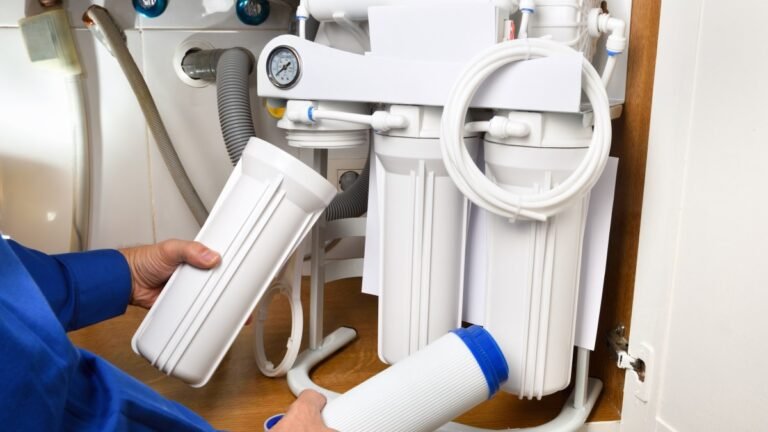
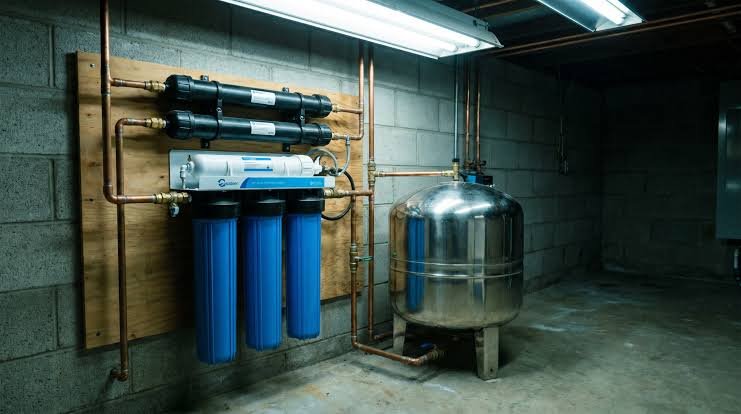
Water treatment equipment comes in several forms, and each has a specific role. Sediment filters are designed to capture particles, while certain carbon filters reduce particular tastes and odours. Water softeners address hardness minerals, and reverse osmosis systems can reduce many dissolved substances when properly selected and maintained.
Some homes benefit from treatment at the point where water enters the property. Others need a smaller system serving only the kitchen drinking-water tap. The right choice depends on the issue, household water use, available installation space, and ongoing maintenance requirements.
Think about daily routines as well. A family that fills reusable bottles throughout the day may value a drinking-water system with an adequate flow rate and storage capacity. A household experiencing significant scale buildup may be more concerned about protecting plumbing and appliances. There isn’t one perfect arrangement for everyone.
Ask providers to explain what each recommended component is designed to remove or reduce. If a product claims to address several unrelated problems, request documentation showing its performance for the substances that concern you. Independent certifications can help you evaluate those claims.
Understand Financing Before Making a Commitment
A water treatment system is a household investment, and the upfront cost may not always fit neatly into the monthly budget. Installation, equipment, replacement filters, and regular maintenance can add up, so it’s worth considering the complete cost rather than focusing only on the advertised purchase price.
Some providers offer promotional financing, including offers advertised as 0% interest for 24 months. Such an arrangement may help eligible homeowners spread the cost of a larger project instead of paying the full amount at installation. However, promotional terms vary, and the headline offer should never be the only factor in the decision.
Before accepting financing, check the total purchase price, eligibility requirements, payment schedule, and the consequences of missing a payment. Find out whether the promotional rate applies for the entire term, whether deferred interest could apply, and what happens if the balance isn’t paid by the required date. These details depend on the actual agreement, so read the written terms carefully.
It’s also sensible to compare the financing option with paying upfront or choosing a simpler system. A lower monthly payment doesn’t necessarily mean a lower overall cost. The aim is to find a treatment solution that fits both your water needs and your financial circumstances without creating unnecessary pressure.
Look Beyond Installation Day
Once a treatment system is installed, its performance depends on proper care. Filters need replacement at the intervals specified by the manufacturer, softeners may require salt or other regeneration materials, and reverse osmosis membranes have a limited service life. Neglecting maintenance can reduce effectiveness and sometimes lead to other problems.
Ask for a clear maintenance schedule before installation. Find out which tasks you can handle yourself, which require professional service, and how much replacement components typically cost. Keeping receipts and recording filter-change dates can make future maintenance easier to manage.
It’s also worth retesting the water when circumstances change. A private well may need additional checks after flooding or repairs, while changes in taste, colour, or odour can be a reason to investigate further. If you suspect contamination, use appropriate testing and follow guidance from your local health department or water authority rather than relying on a treatment device alone.
Good maintenance doesn’t need to be complicated. A reminder on your calendar and a basic record of service dates can help you stay ahead of routine tasks and keep the system working as intended.
Find a Solution That Fits Real Life
Water treatment should make daily life easier, not introduce a constant stream of confusing decisions. The most useful providers take time to understand a household’s concerns, explain what the test results mean, and recommend equipment that fits the actual problem.
When reviewing our water solutions, focus on the information that matters: what each system is designed to do, how its performance is verified, what installation involves, and how much maintenance it will require. A clear explanation is far more valuable than a long list of technical features without context.
Don’t be afraid to ask for a second opinion if a recommendation seems excessive or you feel rushed into making a purchase. A trustworthy professional should be able to explain the reasoning behind a proposal and give you enough information to make a considered decision.
Ultimately, better water starts with good information and realistic expectations. Take the time to assess your water, compare appropriate options, and understand the costs before committing. The right system is not necessarily the most expensive or complicated one; it’s the one that addresses your household’s needs reliably and fits comfortably into everyday life.