Water has a way of becoming part of the background. We use it to make coffee in the morning, wash vegetables for dinner, take a shower after a long day, and keep the laundry moving. Most of the time, we turn on the tap without giving it much thought. But when water leaves mineral spots on glassware, develops an unusual smell, or tastes different from what you’re used to, those little routines can become frustrating.
The challenge is that not every water problem has the same cause. Some homes struggle with hard water, while others need to address sediment, unpleasant tastes, or specific contaminants. Choosing the right treatment system begins with understanding these differences. Once you know what needs attention, it’s easier to find a solution that suits your home, your budget, and the way your family uses water.
Why Water Quality Deserves a Closer Look
Clear water isn’t necessarily problem-free water. Many dissolved minerals and contaminants can’t be identified by sight, taste, or smell alone. That’s why guessing based on appearance isn’t the best way to decide which equipment to install.
Hard water, for example, contains elevated levels of calcium and magnesium. It can leave chalky deposits around faucets, reduce soap lather, and contribute to scale inside water heaters and other appliances. Sediment may cause cloudiness or collect in plumbing fixtures, while certain dissolved substances can affect taste and odor.
These issues aren’t interchangeable. A softener designed to reduce hardness won’t necessarily remove harmful microorganisms, and a basic sediment filter won’t address every dissolved contaminant. Buying equipment before identifying the problem can lead to unnecessary expenses and disappointing results.
A water test provides a more dependable starting point. Depending on the source and the concerns involved, testing may examine hardness, pH, iron, manganese, bacteria, nitrates, or other substances. The appropriate tests should be selected according to the property’s water source and potential risks.
What Whole-Home Treatment Actually Does
Imagine taking a shower, running the washing machine, and filling a pot in the kitchen. Each activity uses water, but the water doesn’t necessarily need identical treatment for every purpose.
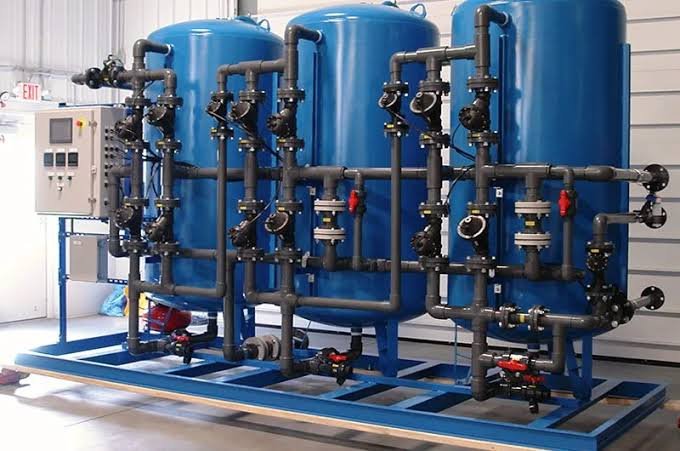
A whole home water treatment system treats water as it enters the property, allowing the selected treatment equipment to serve multiple taps and appliances. Depending on the water test results, a setup might include sediment filtration, a water softener, or specialized filtration designed to reduce particular contaminants.
The advantage is convenience. Rather than treating only the water at one kitchen sink, a properly designed system can address selected water quality concerns throughout the home. That may help reduce sediment, manage hardness, or improve certain aspects of water quality wherever treated water is used.
Still, whole-home treatment isn’t automatically the best answer for every household. Some concerns are specific to drinking and cooking water, while others affect plumbing and appliances throughout the property. Certain contaminants require treatment methods that are effective at a particular concentration and flow rate.
System sizing also matters. A unit that’s too small may struggle when several taps run at once, while an oversized or unnecessarily complicated setup can cost more than the situation warrants. A qualified professional can use water test results, household demand, and plumbing conditions to recommend a practical configuration.
Understanding Reverse Osmosis for Drinking Water
For people concerned about the taste or composition of their drinking water, reverse osmosis can be worth considering. These systems commonly use a semipermeable membrane alongside other filtration stages to reduce many dissolved substances.
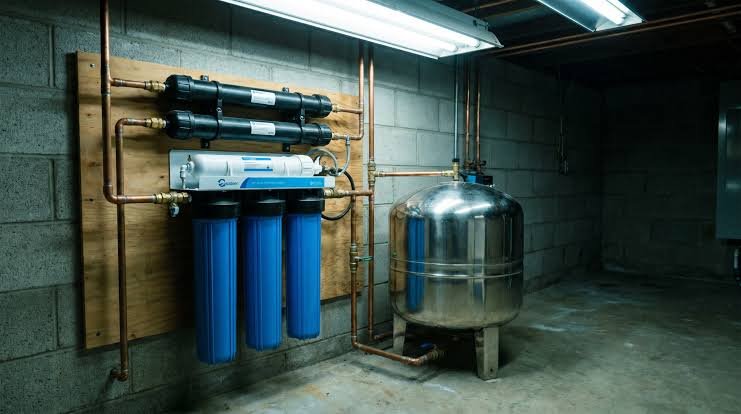
In a typical under-sink setup, water passes through the treatment components before reaching a separate drinking-water faucet. Depending on the system’s design and certification, reverse osmosis may reduce substances such as dissolved salts, lead, arsenic, and certain other contaminants. However, performance varies, so it’s important to check which specific substances the system has been tested and certified to reduce.
Well-designed reverse osmosis systems can be useful when testing identifies a concern that the selected unit is designed to address. They may also improve the taste of drinking water when dissolved substances contribute to an unpleasant flavor.
There are trade-offs to consider. Many conventional systems send some water to the drain during filtration, require periodic filter and membrane replacement, and may remove minerals along with unwanted dissolved substances. Some models include storage tanks, which need enough space beneath the sink.
Reverse osmosis is not a universal solution, either. It doesn’t replace every possible treatment method, and it shouldn’t be assumed to make microbiologically unsafe water safe under all conditions. If water safety is uncertain, obtain appropriate testing and professional guidance before relying on a household treatment device.
The Special Considerations of Well Water
Homes that rely on private wells have a different set of responsibilities from properties supplied by a public water utility. A well can provide a dependable water source, but its quality may be affected by local geology, nearby land use, flooding, damaged well components, or changes in the surrounding environment.
This is why well water treatment should begin with testing rather than selecting a filter based on a neighbor’s experience. Two wells in the same area can have different water characteristics, even when their owners notice similar symptoms.
Iron and manganese, for example, may cause staining on laundry, fixtures, and sinks. Hardness can contribute to scale, while bacteria or certain chemical contaminants may pose health concerns without producing any obvious change in the water’s appearance.
Treatment depends on the specific findings. Depending on the problem, a property may need sediment filtration, oxidation and filtration for certain metals, a softener for hardness, ultraviolet disinfection for suitable microbial concerns, or another targeted approach. Some systems need pretreatment to work effectively.
Private well owners should follow local health recommendations for routine testing and arrange additional checks after flooding, repairs, or noticeable changes in water quality. If contamination is suspected, use an appropriate alternative drinking-water source while seeking guidance from local public health authorities or a qualified water professional.
Maintenance Is Part of the Investment
Even a high-quality treatment system needs regular attention. Filters gradually collect particles, membranes can lose performance, and softeners require periodic regeneration and appropriate servicing. Ignoring maintenance may reduce effectiveness and increase the risk of problems developing unnoticed.
Before purchasing equipment, ask how often filters and other components need replacing. Find out whether replacement parts are readily available, what routine servicing costs, and whether the manufacturer recommends periodic water testing after installation.
It’s helpful to keep a simple record of service dates, filter changes, and test results. That way, you don’t have to rely on memory when it’s time for maintenance.
Pay attention to sudden changes, too. If treated water develops an unusual smell, changes color, or tastes different, don’t automatically assume the system will correct the issue. The cause may be related to the source water, plumbing, equipment, or a new contamination concern. Investigating promptly is safer than simply replacing a filter and hoping for the best.
How to Choose a System Without Overspending
Start by separating essential concerns from optional improvements. If testing identifies a specific safety issue, addressing it should take priority over cosmetic problems such as mineral spots. If hardness is the main issue, a properly sized softener may be more appropriate than installing a complex filtration system that doesn’t address the primary concern.
Compare equipment based on verified performance, installation requirements, operating costs, and maintenance needs. Look for certifications relevant to the contaminants you want to reduce, and read the performance documentation rather than relying on broad marketing claims.
Ask for a written estimate that explains the proposed equipment, installation work, ongoing expenses, and warranty coverage. A reputable provider should be willing to explain why a particular treatment method is recommended and what it won’t accomplish.
The cheapest option isn’t always the least expensive over time, but a more complicated system isn’t automatically better, either. The goal is to pay for effective treatment that fits your actual water quality needs.
Making Better Water a Practical Goal
Improving household water doesn’t have to mean replacing every fixture or investing in multiple pieces of equipment. Often, the best result comes from identifying one or two specific problems and addressing them properly.
Begin with reliable testing, learn what the results mean, and compare treatment options with a clear understanding of their benefits and limitations. Consider how much water your household uses, what maintenance you can manage, and whether the issue affects the entire property or only drinking water.
When the system matches the problem, everyday improvements can be surprisingly noticeable. Cleaning may become easier, mineral buildup may decrease, and drinking water may taste better. More importantly, you’ll have a clearer understanding of your water quality and the steps being taken to manage it.
Good water treatment isn’t about buying the biggest system on the market. It’s about making informed choices that support a safer, more comfortable, and better-maintained home.