Water is one of those things we rarely appreciate until it starts causing problems. You might notice white marks on the shower glass, spots on freshly washed dishes, or an unusual taste when you fill a glass from the kitchen tap. These little frustrations can make everyday routines feel harder than they need to be. And once you start looking for answers, the number of available filters and treatment systems can feel overwhelming.
The good news is that improving your home’s water doesn’t have to involve a complicated setup. The best starting point is understanding what’s actually in your water, what you’d like to improve, and which treatment options are designed to address those concerns. Sometimes a simple filter is enough. Other homes need a more comprehensive approach.
Begin With a Clear Picture of Your Water
Water quality can differ significantly between neighbouring properties. Municipal supplies are generally treated before reaching homes, but mineral content, taste, and other characteristics can vary. Private wells have their own considerations because local geology, rainfall, and surrounding land use may influence the water.
Household symptoms can offer useful clues. White scale around faucets often suggests hard water, while reddish stains may indicate iron. A chlorine taste can affect drinking water, and sediment may collect in fixtures. However, these signs don’t tell the whole story. Water can look perfectly clear while containing substances that require specific testing.
A suitable water test helps replace guesswork with useful information. Depending on the source and your concerns, testing may examine hardness, pH, iron, dissolved solids, bacteria, or particular contaminants. If you’re worried about health-related substances, use an appropriate testing method and consider a certified laboratory.
Understanding the results before buying equipment can save money and frustration. After all, a filter designed to improve taste won’t necessarily solve mineral buildup, and a softener isn’t intended to remove every contaminant.
Why Some Homes Need More Than Basic Filtration
For certain households, the main concern is simply improving the taste of drinking water. Others want to reduce sediment, manage mineral deposits, or address a specific substance identified through testing. The difference matters because treatment technologies don’t all work in the same way.
Water softeners are commonly used to address hardness caused by calcium and magnesium. Traditional ion-exchange systems replace these minerals with other ions, usually sodium or potassium. This can reduce scale formation, help soap work more effectively, and make cleaning around faucets and showerheads less troublesome.
Still, softening isn’t the same as purification. A conventional softener doesn’t automatically remove bacteria, lead, or every other unwanted substance. It also requires routine attention, including regeneration and, in many cases, salt replenishment.
Before installing one, consider your measured water hardness, household demand, available space, and maintenance preferences. If you have concerns about sodium in softened water, discuss your options with a qualified water-treatment professional. The aim is to choose equipment that solves a real problem without adding unnecessary complexity.
A Closer Look at Reverse Osmosis
When the focus is drinking and cooking water, some homeowners consider a dedicated filtration system beneath the kitchen sink. These systems can be useful when the goal is to treat water at the point where it’s consumed rather than throughout the entire property.
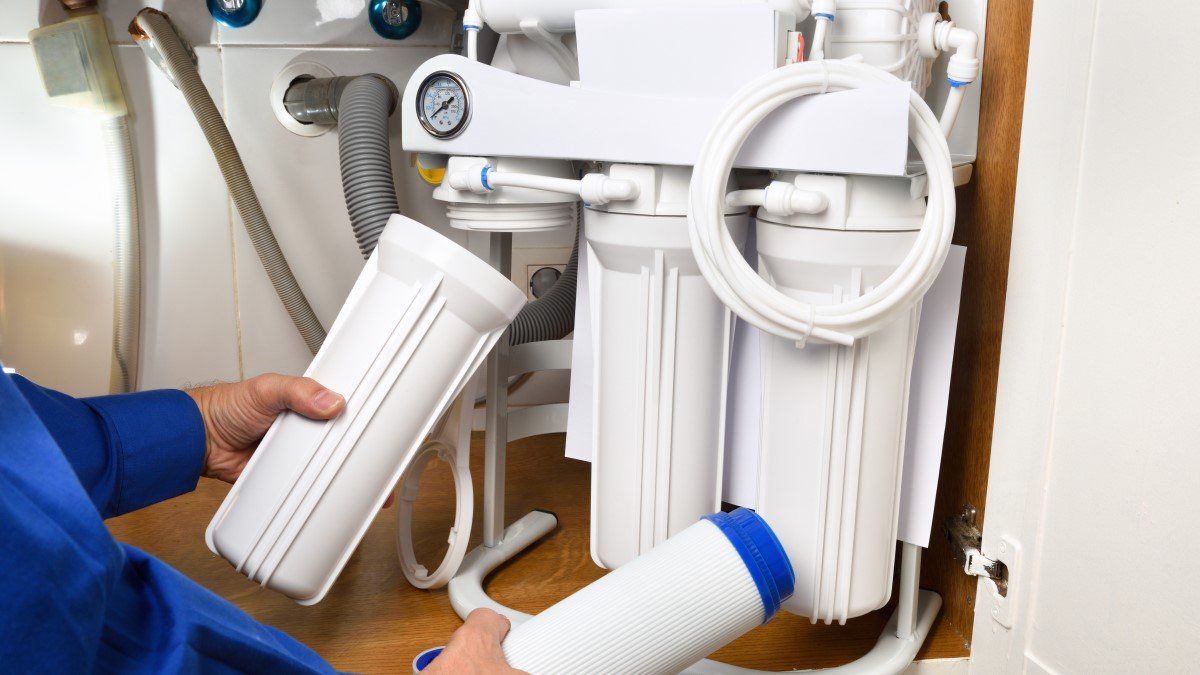
Reverse osmosis drinking water systems use pressure to move water through a semipermeable membrane that reduces many dissolved substances. Depending on the specific model and its certification, a system may reduce certain salts, metals, and other specified contaminants.
Most setups include several components working together. Prefilters help protect the membrane, while a post-filter may improve the taste of the finished water. Some models store treated water in a small tank, whereas tankless versions produce water on demand.
There are a few practical details to consider before purchasing. Reverse osmosis systems need adequate water pressure, sufficient installation space, and regular filter and membrane replacement. Conventional designs also send some water to the drain during production. These aren’t necessarily reasons to avoid the technology, but they’re worth understanding before making a commitment.
Most importantly, choose a model based on the substances you actually want to reduce. Review the manufacturer’s performance documentation and relevant independent certifications rather than assuming every reverse osmosis unit provides identical results.
Treating Water Throughout the House
Sometimes the concern isn’t limited to the kitchen. Hardness-related scale may affect several bathrooms, a water heater, and laundry appliances. Sediment or certain aesthetic issues may also occur at multiple fixtures. In these situations, treating water where it enters the property may be worth considering.
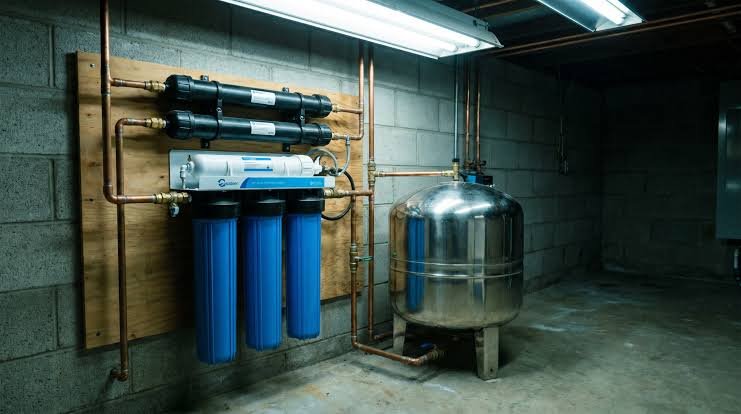
Whole-home water treatment systems can combine different technologies depending on the incoming water and the household’s requirements. A setup might include sediment filtration, activated carbon, or a softener, with each component serving a specific purpose.
Sizing is important. A system needs to handle the property’s water demand without causing an inconvenient drop in pressure when several fixtures are used simultaneously. The number of bathrooms, household size, and typical usage patterns all influence the decision.
Installation space matters, too. Equipment should remain accessible for servicing, and some systems require drainage, electricity, or additional plumbing connections. Discuss these practical details before choosing a model.
A whole-home system isn’t automatically necessary for every property. If the only concern is drinking-water taste, a point-of-use filter may be sufficient. Matching the treatment method to the actual problem helps avoid paying for equipment that offers little additional benefit.
Maintenance Is Part of the Decision
Even a well-chosen system needs regular care. Filters have limited service lives, carbon media gradually becomes exhausted, and reverse osmosis membranes require replacement according to the manufacturer’s guidance. Softeners also need periodic checks to ensure that regeneration is working properly.
Keep a record of installation dates, filter changes, and service visits. A reminder on your phone can be surprisingly useful, especially when different components have different replacement schedules. Watch for persistent changes in water pressure, taste, odor, or staining, and investigate them rather than assuming the equipment is still working perfectly.
If your water source changes or you suspect contamination, arrange appropriate testing. Replacing a filter alone isn’t a reliable response to every water-quality concern.
Choose With Confidence, Not Guesswork
Better water begins with understanding your needs. Test where necessary, compare treatment options carefully, and ask providers to explain what their equipment is designed to do. Consider installation costs, replacement supplies, ongoing maintenance, and the system’s verified performance.
There’s no universal solution that works equally well for every home. A simple filter may be enough for one household, while another benefits from softening or more targeted drinking-water treatment.
Take your time, ask practical questions, and avoid being rushed into an expensive purchase. The right system should fit naturally into your home and routine, providing useful improvements without creating another source of stress. With reliable information and consistent maintenance, choosing water treatment becomes a much more straightforward decision.