Most workplaces have a water problem hiding in plain sight. Not always a serious one, maybe, but a daily inconvenience. Staff bring plastic bottles from home. The old cooler sits in the corner with a half-empty jug on top. Someone has to remember deliveries. Someone else has to lift heavy bottles, wipe up spills, or complain when the water tastes a little stale. It is not exactly a disaster, but it is one of those small office frustrations that never quite goes away.
Good drinking water should be simple. People should be able to fill a glass, make coffee, top up a reusable bottle, and get on with the day. No waiting for bottled deliveries. No storing bulky jugs in a back room. No wondering whether the cooler has been cleaned recently. Just clean, fresh-tasting water available when people need it.
That is where modern water solutions have quietly changed things for offices, clinics, schools, warehouses, hospitality spaces, and commercial buildings.
Why Bottled Water Is Losing Its Appeal
For years, bottled coolers were the obvious choice for workplaces. They felt convenient at first. A supplier delivered bottles, staff swapped them out, and everyone had drinking water. Simple enough.
But over time, the downsides become harder to ignore. Heavy bottles take up space. Deliveries can be missed. Plastic waste piles up. Costs continue every month. And the physical lifting is not ideal, especially in busy workplaces where nobody has time to wrestle with a large water jug during the morning rush.
That is why many businesses are now switching to bottleless water coolers. These units connect directly to the building’s water supply and use built-in filtration to provide fresh drinking water without the need for delivered bottles. It is a cleaner, more practical approach for workplaces that want steady water access without the clutter.
There is also a nice little morale benefit. People notice when water is easy to access and tastes good. It is a small thing, yes, but small comforts matter during a long workday.
Better Water Supports Better Daily Habits
When clean water is available, people tend to drink more of it. That sounds almost too obvious, but it is true. If the only option is warm bottled water from someone’s desk or a cooler that tastes odd, staff are more likely to reach for sugary drinks, extra coffee, or nothing at all.
A properly filtered workplace water system encourages healthier habits without making a big announcement about it. It just makes the better choice easier.
This matters in customer-facing spaces too. A clinic, gym, hotel lobby, showroom, or office reception area feels more welcoming when guests can get clean, fresh water. It says something about care and attention, even if nobody says it out loud.
When Water Needs More Than Basic Filtration
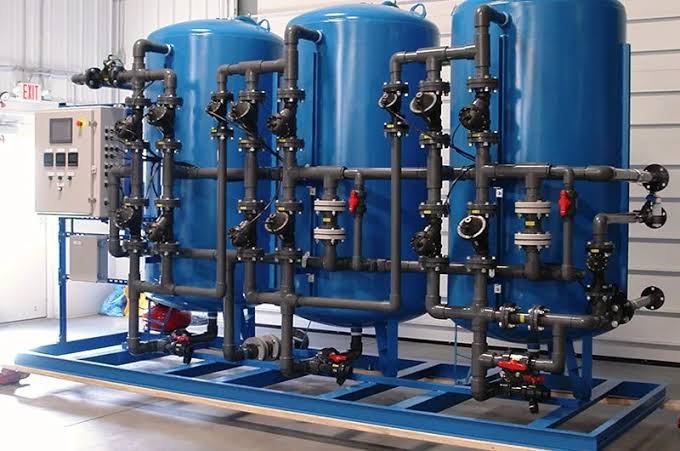
Not every building has the same water quality. Some supplies contain chlorine taste, sediment, hardness, odours, dissolved solids, or other concerns that basic filtration may not fully handle. This is why water testing is useful before choosing a system.
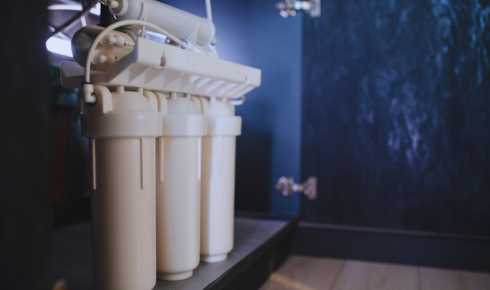
For drinking water applications, reverse osmosis systems are often used when a higher level of filtration is needed. They can reduce many dissolved impurities and improve taste, especially in areas where tap water has noticeable minerals or unpleasant flavour. In commercial settings, reverse osmosis may also support coffee machines, ice makers, beverage stations, and other equipment where water quality affects the final result.
That said, reverse osmosis is not always required for every workplace. The right solution depends on water quality, usage, space, budget, and the expectations of the business. A good provider should explain the options clearly rather than pushing the most complicated setup.
Water Quality Affects Machines Too
Many businesses think about drinking water first, but water touches equipment as well. Coffee makers, ice machines, boilers, steamers, dishwashers, kettles, and beverage systems all perform better when the water feeding them is properly treated.
Minerals can build up inside equipment and reduce efficiency. Sediment can clog small lines and valves. Poor taste can affect coffee, tea, ice, and other drinks. Over time, untreated water may lead to more repairs, more downtime, and shorter equipment life.
This is where equipment protection becomes a practical business benefit, not just a technical detail. Better water helps reduce scale, keeps machines cleaner internally, and supports more consistent performance. Anyone who has dealt with a broken coffee machine on a Monday morning knows this is not a minor issue.
Convenience Matters More Than People Admit
A good water system should not create extra work. It should reduce it. Bottleless coolers, filtered drinking stations, and properly maintained systems make life easier for office managers, facilities teams, and staff.
No one has to track bottle deliveries. No one has to carry heavy jugs. Storage space is freed up. The risk of spills drops. Maintenance can be scheduled instead of handled in a panic. And the water is simply there, available whenever the workplace needs it.
That convenience is especially useful for growing businesses. As more people use the space, bottled water becomes less practical. A connected system can often handle higher daily demand with fewer interruptions.
Maintenance Keeps Water Fresh
Even a well-designed system needs regular care. Filters need changing. Sanitisation may be required. RO membranes, cartridges, and internal components should be checked based on usage and water quality. Skipping maintenance can reduce taste, flow, and overall performance.
The good news is, maintenance does not have to be difficult. With a proper service schedule, the system stays reliable and the workplace does not have to think about it every week. That is the whole point, really.
A Smarter Way to Serve Water
Clean workplace water should feel effortless. It should support staff, welcome visitors, protect equipment, and reduce waste without becoming another problem to manage. Bottled water had its place, but many businesses are ready for something cleaner, neater, and more dependable.
A modern water system is not just about what comes out of the tap. It is about convenience, consistency, cost control, and a better daily experience for everyone using the space.
And when people can fill a glass without thinking twice, that is usually a sign the system is doing its job properly.