There’s something especially unsettling about turning on the tap and getting hit with that sharp, rotten-egg smell. It’s not subtle. It sneaks into the kitchen while you’re filling a glass, follows you into the shower, and somehow makes clean laundry feel… not quite clean. Most people notice it first in the morning, or after being away for a few days. The water runs for a moment, the odor rises, and suddenly you’re wondering whether it’s safe to drink, cook with, or even bathe in.
The good news is that smelly water is fairly common, especially in homes that rely on private wells. The not-so-good news? The cause isn’t always obvious from smell alone. That sulfur-like odor can come from naturally occurring gases, bacteria, plumbing reactions, or even your water heater. So while it may not always mean danger, it definitely deserves attention.
Why Water Can Smell Like Rotten Eggs
That rotten-egg odor is usually linked to hydrogen sulfide gas. In small amounts, it can make water smell unpleasant long before it becomes a serious health concern. The smell may be stronger in hot water, enclosed bathrooms, or sinks that don’t get used often. Sometimes it fades after running the tap for a minute. Other times, it lingers stubbornly, almost like the house itself has absorbed it.
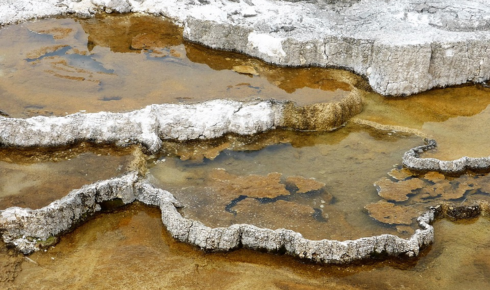
Hydrogen sulfide can form underground as organic matter breaks down in low-oxygen environments. It may also appear when certain bacteria interact with sulfur compounds in the water supply. That’s why two homes on the same road can have totally different water experiences. One family may have clear, odor-free water, while next door, someone is battling smells, stains, and strange tastes.
The Role of Bacteria in Smelly Water
One common culprit is sulfur bacteria which can live in plumbing systems, wells, pressure tanks, and water heaters. These bacteria don’t usually cause disease in the way harmful pathogens do, but they can create hydrogen sulfide as a byproduct. And honestly, that byproduct is hard to miss.
You might also notice black or gray staining around fixtures, slimy buildup in toilet tanks, or a metallic taste that makes coffee and tea taste slightly off. These signs don’t prove bacteria are the only issue, but they do suggest your water system needs a closer look. Guessing is tempting, especially when online advice makes every fix sound easy, but water chemistry can be annoyingly specific.
Why Private Wells Need Extra Attention
Homes using well water have a different responsibility than homes connected to municipal supplies. A city water system is regularly monitored and treated before it reaches the home. A private well, on the other hand, is usually the homeowner’s responsibility. That includes testing, maintenance, repairs, and choosing the right filtration or disinfection solution.
Wells can be affected by soil conditions, nearby septic systems, agricultural runoff, aging casings, seasonal rainfall, and even changes in groundwater levels. A smell that appears suddenly after heavy rain may point to a different issue than an odor that has slowly gotten worse over several years. That’s why keeping notes can help: when the smell happens, whether it’s hot or cold water, and which taps are affected.
Check the Water Heater First
If the odor only appears when using hot water, the water heater may be involved. Many tanks contain an anode rod, which helps prevent corrosion. In certain water conditions, the rod can react and contribute to hydrogen sulfide odor. This doesn’t mean the heater is ruined, but it may need service, flushing, or a different type of anode rod.
It’s a small detail, but it matters. Some homeowners spend money on whole-house solutions when the real issue is sitting quietly in the utility closet. Before making big decisions, compare hot and cold water from several taps. If cold water smells fine but hot water smells awful, start with the heater.
Testing Before Treating
It’s easy to want a fast fix. Nobody enjoys explaining to guests why the bathroom smells strange. Still, testing should come before buying equipment. A basic water test can check for bacteria, iron, manganese, pH, hardness, and other minerals that may influence odor. In some cases, hydrogen sulfide testing may also be recommended.
The right test results can prevent wasted money. For example, an activated carbon filter may help with mild odor, but it may not be enough for stronger hydrogen sulfide levels or bacterial activity. Oxidation systems, chlorination, aeration, or specialized filtration may be needed depending on what’s actually happening in the water.
Choosing a Practical Fix
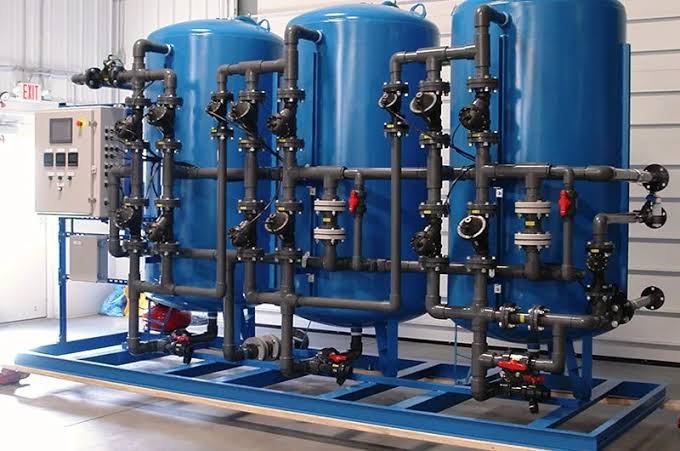
The best water treatment approach depends on the source and severity of the problem. For minor smells, a properly sized carbon filter may improve taste and odor. For more persistent issues, oxidation filters using air, chlorine, hydrogen peroxide, or other methods may be used to convert dissolved gases into particles that can be filtered out. In cases involving bacterial growth, shock chlorination or ongoing disinfection may be part of the solution.
But treatment should fit the household. A large family with high daily usage needs a different setup than a small cabin used on weekends. Water pressure, flow rate, maintenance needs, and budget all matter. The “best” system isn’t always the most expensive one. It’s the one that solves the actual problem without creating new headaches.
Don’t Forget Routine Maintenance
Even a good system can fail if it’s ignored. Filters clog. Media wears out. Water heaters collect sediment. Wells age. A setup that worked beautifully five years ago may not perform the same today. That’s not a failure, really — it’s just how water systems behave over time.
Annual testing is a sensible habit, especially for private wells. If there are children, older adults, or immune-sensitive people in the home, testing becomes even more important. Smell is useful, but it’s not a complete safety check. Some contaminants have no taste, color, or odor at all.
A Cleaner Glass of Water Starts With Knowing the Cause
A rotten-egg smell in household water is annoying, yes, but it’s also a clue. It may be pointing to hydrogen sulfide gas, bacterial activity, a water heater reaction, or changing groundwater conditions. The key is not to panic, and not to cover it up with random filters either.
Start with simple observations. Test the water. Check whether the smell comes from hot water, cold water, or both. Then choose a solution based on facts, not guesses. Clean, pleasant water is something most of us take for granted until it smells wrong. And once it’s fixed, that first odor-free glass from the tap feels surprisingly satisfying.